
Theodore Lowe, Ap #867-859
Sit Rd, Azusa New York
Find us here
Photography And Photo Editing Tips for E-Commerce Leather Accessories
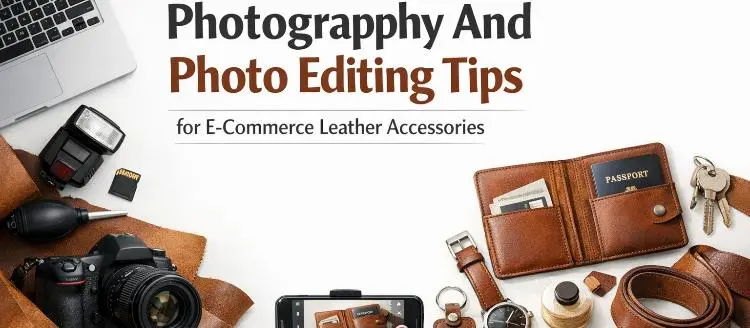
High-quality photos are vital for showcasing the beauty and craftsmanship of your products, yet achieving the perfect shot can seem daunting. But what if you could effortlessly enhance every detail, making each accessory irresistible to your customers? Imagine transforming your product images into captivating visual stories that not only attract but also convert browsers into buyers.
This post is your go-to guide, filled with practical photography and photo editing tips specifically for leather accessories. By the end, you’ll have the tools to elevate your brand’s visual appeal, making your products stand out in a crowded market. Dive in, and let's unlock the secrets to creating images that speak volumes about your brand's quality and style.
Importance Of Quality Photography
In the world of e-commerce, quality photography plays a crucial role. It can make or break your leather accessories sales. Clear, detailed images attract customers and build trust. They help convey the texture and craftsmanship of each piece. Potential buyers rely heavily on visuals to make decisions. Well-captured photos can highlight unique features and increase interest.
The Role Of Lighting
Lighting sets the mood for your leather accessories. Natural light works wonders. It brings out true colors and textures. Soft light reduces harsh shadows and highlights details. Experiment with different light sources. Find what enhances your products best.
Choosing The Right Background
The background should complement your accessories. A plain backdrop keeps focus on the product. Avoid cluttered settings that distract the eye. Neutral tones work well with leather. They allow the product to stand out.
Importance Of Angles And Composition
Angles reveal different aspects of your product. Show details like stitching and hardware. Capture the item from multiple perspectives. Composition guides the viewer's eye. Ensure your product is the focal point. Arrange elements to enhance visual appeal.
Utilizing Post-editing Tools
Post-editing refines your images. Adjust brightness and contrast for clarity. Crop unnecessary parts to focus on the product. Use tools to correct color imbalances. Ensure images appear professional and polished.
Showcasing Product Variations
Display all available product variations. Include color and size options. Customers appreciate seeing choices. This can lead to increased sales. Highlight differences through distinct images.
Choosing The Right Equipment
Choosing the right equipment is crucial for capturing stunning leather accessory photos. Quality images can significantly impact e-commerce success. Having the right tools ensures your products shine and stand out. Let's explore key equipment essentials for professional photography.
Cameras And Lenses
A good camera is the heart of photography. Choose a DSLR or mirrorless camera for high-quality images. These cameras offer flexibility and control. Look for models with manual settings. This allows customization and enhances creativity.
The lens matters too. Prime lenses provide sharp images and great depth of field. They are ideal for close-ups and detailed shots. Zoom lenses offer versatility. Capture wider shots without changing lenses. Choose a lens based on your product size and detail needs.
Tripods And Stabilizers
Stability is key for clear, sharp images. Tripods prevent shaky photos. Choose a sturdy tripod with adjustable height. This offers flexibility in shooting angles.
Stabilizers are useful for handheld shots. They reduce motion blur. Use stabilizers for video content or dynamic shots. This ensures smooth and professional-looking footage.
Lighting Essentials
Lighting creates mood and highlights details. Natural light is great but not always available. Invest in softbox lights or ring lights. They provide even lighting and reduce shadows.
Reflectors enhance lighting. They bounce light onto products, highlighting textures. Use them to fill dark areas and add depth. Proper lighting can transform your leather accessories in photos.
Setting Up Your Photography Space
Photography is essential for showcasing leather accessories online. A well-organized photography space can elevate your products. It helps in capturing high-quality images that attract customers. This section offers practical tips for setting up your photography space. Focus on creating an environment that highlights your leather goods effectively.
Background Selection
The background sets the mood for your photos. Choose a neutral color for elegance. White or beige enhances leather textures. Avoid cluttered backgrounds to keep focus on the product. Consider using a fabric drape or a simple wall. Ensure the background complements the accessory's color.
Lighting Techniques
Lighting affects the quality of your product photos. Natural light is ideal for leather items. Position your setup near a window for soft, even lighting. If natural light is limited, use softbox lights or LED panels. Avoid direct flashes that create harsh shadows. Experiment with angles to find the best illumination.
Props And Styling
Props add context and depth to your images. Select props that enhance, not overshadow, your accessories. A wooden table or a soft cloth can work well. Use props sparingly to maintain focus on the leather item. Styling should be simple yet effective. Arrange props to tell a story about the product.
Capturing The Perfect Shot
Capturing the perfect shot of leather accessories boosts e-commerce appeal. Use natural light to highlight textures. Adjust contrast in editing for a polished look.
Capturing the perfect shot is crucial for showcasing leather accessories online. The right photograph can highlight the quality and craftsmanship of your products. Effective photos attract customers and can significantly impact sales. In e-commerce, first impressions matter. So, every detail in your images counts. Let’s explore some essential tips to ensure your photos stand out.
Angles And Perspectives
Experiment with different angles to find the best view of your product. A straight-on shot might not always be the most appealing. Try photographing from above or at a slight angle. This can add depth and interest. Show the item in a real-world setting. For instance, a leather wallet on a wooden table. Or a belt draped over a chair. These perspectives can help customers imagine using the product themselves.
Focus And Depth Of Field
Proper focus is essential for clear, sharp images. Use a tripod to reduce camera shake. This ensures your photos are crisp. Adjust the depth of field to highlight your product. A shallow depth of field keeps the product in focus. The background will blur softly. This technique draws attention to the leather accessory. It also adds a professional touch to your images.
Highlighting Product Features
Capture the unique features that set your product apart. Close-up shots can showcase the texture of the leather. Or the intricate stitching details. These details are often selling points for customers. Make sure to include a variety of shots. Show different aspects of the accessory. For example, the clasp of a leather bag or the buckle of a belt. These highlight the quality and craftsmanship of your products.
Photo Editing Techniques
Editing photos is crucial for showcasing leather accessories online. High-quality images attract and retain customer interest. Effective photo editing enhances the visual appeal of your products. It helps in highlighting features that may otherwise go unnoticed. Below are some important editing techniques for e-commerce leather accessories.
Color Correction
Colors can vary greatly in photos. Adjusting them ensures the leather looks true to life. Use editing tools to balance shadows and highlights. Correcting color makes the accessory appear polished and professional. Keep the hue consistent across all product photos.
Removing Imperfections
Leather accessories may have small flaws. Editing can remove scratches or blemishes. Clean up dust or unwanted marks with precision tools. A flawless product image builds trust with potential buyers. It reflects the quality of your craftsmanship.
Enhancing Textures
Leather texture is a key selling point. Enhance it by boosting contrast and sharpness. Make the grain visible and appealing. This helps potential buyers understand the product's feel. It also adds depth to the images, making them more engaging.
Consistent Branding Through Images
Capturing high-quality images of leather accessories enhances brand consistency in e-commerce. Use natural lighting for rich texture detail. Carefully edit photos to maintain color integrity and ensure uniformity across product lines.
In e-commerce, your images speak volumes before any description is read. Consistent branding through images is crucial for making your leather accessories stand out and create a lasting impression. With the right approach, your photos can echo your brand's identity and connect with your audience on a deeper level.
Choosing A Color Palette
Your color palette is more than just an aesthetic choice. It reflects your brand's personality and influences customer perception. When selecting colors, consider what emotions you want to evoke. For leather accessories, earthy tones like browns, tans, and blacks often work well. They highlight the richness and texture of the material. But don't shy away from adding a unique pop of color that aligns with your brand identity. Think about how your chosen colors will look across various platforms and devices. Consistency in color ensures that your brand is recognizable, whether customers are browsing on a mobile phone or a desktop.
Establishing A Visual Style
Your visual style is the signature of your brand. It encompasses everything from the lighting used in your photos to the angles at which your products are shot. A cohesive style can make your brand instantly recognizable. Start by defining whether you want your images to be minimalist, luxurious, or rugged. This choice should resonate with your target audience's preferences. For example, if you're targeting a high-end market, consider using soft lighting and clean backgrounds to accentuate the sophistication of your leather accessories. When I was working with a client, we opted for a rustic look to appeal to adventure seekers, using natural light and outdoor settings. Ask yourself, does your style tell your brand's story? Each image should be a chapter that collectively forms a narrative aligning with your brand ethos.
Optimizing Images For E-commerce Platforms
Optimizing images for e-commerce platforms is essential for successful online selling. Clear, high-quality images of leather accessories can attract more buyers. They give potential customers a real feel for the product's texture and quality. Efficient image optimization ensures faster loading times and better search engine rankings. This ultimately leads to increased sales and customer satisfaction.
File Size And Format
Choosing the right file size and format is crucial for online images. Large images slow down website loading times. This can frustrate potential buyers and affect sales. Compress images to reduce their size without losing quality. JPEG is a common format due to its balance of quality and size. PNG is another option, often used for images that need transparency. WebP is gaining popularity for its superior compression and quality.
Seo-friendly Image Descriptions
Image descriptions play a vital role in e-commerce success. They help search engines understand what the image shows. Use clear, specific language in your descriptions. Include relevant keywords naturally. For a leather wallet, describe its color, texture, and features. Alt texts should be concise yet informative. This helps improve accessibility and boosts search engine rankings. Well-described images enhance the overall user experience.
A/b Testing For Image Effectiveness
In the bustling world of e-commerce, the right image can be the difference between a customer clicking 'buy now' or scrolling past. For leather accessories, showcasing the texture, color, and craftsmanship is crucial. A/B testing is a powerful tool to determine which images resonate most with your audience and drive sales.
Analyzing Consumer Preferences
Imagine uploading two images of the same leather wallet on your website. One highlights the intricate stitching, while the other focuses on the rich texture. By testing which image garners more attention, you learn what your customers value.
Consider your own shopping habits. Do you linger over images that provide a detailed view or those that evoke a lifestyle? Understanding these tendencies helps tailor your product images for maximum appeal.
Invite feedback from your customers. Ask them which images caught their eye and why. This direct insight can guide future photography choices.
Tracking Conversion Rates
It's not just about the views. The true measure of an image's effectiveness is how it impacts your conversion rates. By monitoring which images lead to more purchases, you can refine your approach.
Use simple analytics tools to track the performance of different images. A sudden spike in sales after changing a product photo might indicate you've hit the right note.
Consider setting up a dashboard to visualize these metrics. Seeing the data in black and white makes it easier to make informed decisions.
Engage with your audience by asking: What draws you in when shopping online? Is it the clarity of detail or the promise of quality? Your answers can guide your photography and editing strategy.
Leveraging User-generated Content
User-generated content can be a game-changer for e-commerce businesses, especially when it comes to leather accessories. The beauty of this approach is that it taps into genuine customer experiences, showcasing your products in real-life settings that resonate with potential buyers. By leveraging the creativity and authenticity of your customers, you can elevate your brand and foster a deeper connection with your audience.
Encouraging Customer Photos
Encouraging your customers to share photos of their purchases can be simpler than you think. Offering a small incentive, like a discount on their next purchase, can motivate them to snap and share a picture of their new leather accessory. You can also host contests where the best photo wins a prize—this not only boosts engagement but gives you a pool of authentic content to use.
In my experience, asking customers to share their photos via social media platforms like Instagram can yield amazing results. Just think about the last time you decided to buy something after seeing it in someone else's post. It’s powerful. You can guide them by suggesting hashtags or tagging your brand, making it easier to track and showcase their content.
Integrating Social Proof
Social proof is a powerful tool that can influence buying decisions. When potential customers see real-life images of others enjoying your products, it builds trust and credibility. Displaying these user-generated photos on your product pages can enhance the online shopping experience, making it more relatable and authentic.
Consider creating a dedicated section on your website where you highlight customer photos. This not only provides social proof but also celebrates your community. It’s fascinating how seeing someone else use a product can make it more desirable—wouldn't you agree?
Think of it as a modern-day testimonial. Instead of just words, you have vivid imagery that tells a story. You can even share these photos in your marketing emails, giving potential buyers a glimpse of how your leather accessories fit into everyday life. Engaging with your audience in this way can transform casual browsers into loyal customers.
Conclusion
Capturing leather accessories demands sharp photography skills. Editing enhances the product's appeal. Clear images attract more customers. Use natural light for better results. Focus on details like texture and color. Good editing can highlight these features. Practice makes perfect. Try different angles and settings.
Adjust brightness and contrast. Find a style that suits your brand. Consistency builds trust with buyers. Keep learning new techniques. Stay updated with trends in photography. Always aim for quality pictures. High-quality images lead to higher sales. Your leather accessories deserve the best presentation.
Related blog posts
Clipping Path Associate has empowered businesses globally for over 12 years. A passionate team is dedicated to providing meticulous photo editing services. Expertise is offered in a range of areas, from precise clipping paths to flawless image retouching. The company offers straightforward yet impactful solutions tailored for photographers, e-commerce enterprises, advertising agencies, web design firms, magazine publishers, printing companies, and more.
We Accept : 