
Theodore Lowe, Ap #867-859
Sit Rd, Azusa New York
Find us here
How to Photoshop on a Smartphone
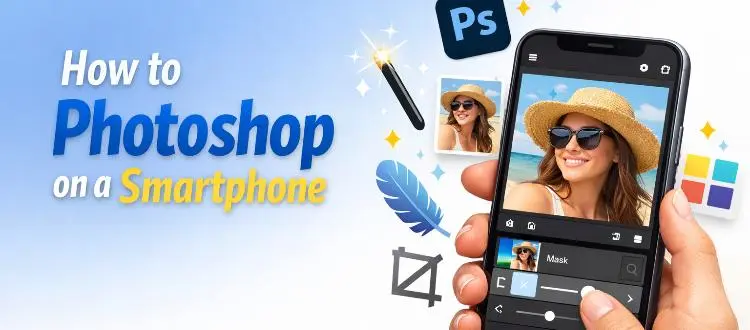
With the right tips and tricks, you can turn your everyday snapshots into eye-catching images, ready to impress your friends or enhance your social media feed. Have you ever wished you could edit photos like a pro without the hassle of sitting in front of a computer for hours?
You're not alone. Many people feel overwhelmed by the thought of using Photoshop, but the good news is that it’s easier than you think—especially on your smartphone. You'll discover straightforward techniques to elevate your photo editing skills without the steep learning curve. These tips are designed with you in mind, simplifying the process and making it fun. Curious about how you can make your photos pop? Read on, and let your creativity shine with just a few taps on your screen.
Choosing The Right App
Explore apps that offer user-friendly tools for smartphone photo editing. Select those with intuitive interfaces for easy navigation. Consider features like layering and filters for creative enhancements.
Choosing the right app for smartphone photo editing is crucial. With countless options available, finding the perfect app can be overwhelming. Each app offers different tools and features to enhance your photos. Some apps mimic Photoshop’s capabilities closely, while others focus on specific editing functions. A well-chosen app can transform your smartphone into a powerful photo editing tool.
Popular Photoshop Alternatives
Several apps offer impressive photo editing features similar to Photoshop. Adobe Photoshop Express is popular for its user-friendly interface and powerful tools. Snapseed provides advanced editing options with a simple layout. PicsArt offers creative features like stickers and drawing tools. These apps provide diverse editing capabilities, catering to different needs and preferences.
Key Features To Look For
When choosing an app, consider essential features like ease of use. Basic tools such as cropping, resizing, and filters are vital. Look for apps with advanced features like layers and blending modes. The ability to adjust brightness, contrast, and saturation is important. Check for additional tools like text overlay and special effects. Compatibility with your smartphone’s operating system is crucial. Ensure the app updates regularly for new features and improvements.
Basic Editing Techniques
Photoshop on smartphones has become easier with advanced apps. These apps offer tools for quick edits. Basic editing techniques enhance photos effortlessly. They can transform ordinary images into captivating visuals. Let's explore some simple yet effective methods.
Cropping And Resizing
Cropping helps focus on the essential parts of a photo. It removes distractions and emphasizes the subject. To crop, select the cropping tool in your app. Drag the corners to adjust the area. Ensure the subject remains centered. Resizing adjusts the photo's dimensions. It's useful for social media sharing. Always maintain aspect ratio for quality.
Adjusting Brightness And Contrast
Brightness affects the lightness of your image. Increase it for a clearer view. Reduce it for a moodier look. Contrast defines the difference between light and dark areas. Adjust contrast to add depth to your photo. Too much contrast can distort details. Find a balance that enhances the image.
Advanced Editing Tools
Discover how to Photoshop on a smartphone with advanced editing tools. Enhance your photos effortlessly using intuitive features and easy-to-use apps. Edit like a pro with tips designed for mobile use.
Have you ever considered that your smartphone can be a powerful tool for professional photo editing? Many people think of Photoshop as a desktop-exclusive software, but modern apps bring advanced editing tools right to your pocket. Whether you're on the bus or waiting for a friend, you can transform your photos with precision and creativity using your smartphone. Let's dive into some advanced editing tools that will elevate your mobile editing game to new heights.
Layer Management
Layers are like sheets of transparent paper stacked on top of your image. They let you edit specific parts without affecting the whole picture. On your smartphone, you can easily add, delete, or rearrange layers with just a few taps. Imagine you're editing a group photo; you can tweak the brightness of each person individually without altering the background. This flexibility empowers you to create complex compositions directly on your phone.
Masking And Selection Tools
Masking is a powerful tool that helps isolate parts of your image for targeted editing. Think of it as a digital stencil that lets you apply changes to specific areas. With smartphone apps, you can use your finger or stylus to precisely select areas to mask. Picture this: you're working on a portrait, and you want to soften the background while keeping the subject sharp. Masking allows you to achieve this effortlessly, drawing attention exactly where you want it. Selection tools complement masking by allowing you to choose specific elements in your image. They make editing faster and more efficient. Smartphone apps often come with intuitive selection options like lasso or magic wand. Ever tried to edit a photo and accidentally changed the wrong part? Selection tools help prevent this by letting you focus solely on the area you want to modify. Have you tried using these tools? What's your favorite editing trick on your smartphone?
Working With Filters
Explore the art of using filters on your smartphone to enhance photos effortlessly. Adjust brightness, contrast, and saturation to make images pop. Experiment with different styles to find the perfect look for your pictures.
When you're editing photos on your smartphone, filters can be your best friend. They can instantly enhance your images with just a tap. But to make the most of them, understanding how to apply and customize filters is crucial.
Applying And Customizing Filters
Filters are like ready-made magic wands for your photos. They come in various styles, from vintage to modern, each altering your image's mood with unique color tones and contrasts. To apply a filter, open your photo editing app and select a photo. Scroll through the available filter options and tap on any to preview its effect. Customizing these filters can elevate your photo further. Most apps allow you to adjust the filter intensity. By reducing or increasing the effect, you can find the perfect balance that suits your style. Have you ever noticed a filter that almost works, but not quite? Adjusting brightness, contrast, and saturation can tweak it to perfection. Experimenting with these settings can transform a good photo into a great one.
Creating Your Own Filters
Creating your own filters might sound complex, but it's a fun way to personalize your images. Think of it as crafting your signature look. Start by editing a photo manually, adjusting settings like brightness, contrast, and color balance until it looks just right. Save these settings as a custom filter if your app allows it. Imagine having a filter that reflects your unique style, ready to apply to any photo. This not only saves time but also ensures consistency across your social media feed. Experiment with different combinations and save multiple custom filters for various occasions. This way, you’re always prepared, whether it's a sunny day or a cozy evening indoors. Do you have a favorite filter or a custom one you've crafted? Share your experiences in the comments and inspire others with your creativity.
Retouching Photos
Smartphones have made photo editing accessible to everyone. Retouching photos on a smartphone is simple and effective. With just a few taps, you can enhance your photos and remove imperfections. This helps your photos look professional and polished.
Removing Blemishes
Start by using the spot healing tool. It is a lifesaver for blemishes. Tap on the blemish to remove it. Your photo instantly looks cleaner and smoother. Use the zoom function for more precision. This ensures no detail is overlooked.
Smoothing Skin
Smoothing skin can enhance the photo's overall look. Use the skin smoothing feature to reduce visible imperfections. Adjust the intensity to your liking. This keeps the photo looking natural. Avoid over-smoothing, which can look fake. A light touch often works best.
Creative Effects
Smartphone apps for Photoshop bring creative effects to your fingertips. These tools can transform ordinary photos into engaging pieces of art. With just a few taps, you can add text, adjust blending modes, and play with opacity. Let’s explore some of these creative effects to make your photos stand out.
Adding Text And Graphics
Adding text to your photos can tell a story. It helps convey a message or emotion. Choose from various fonts to match your photo's mood. Place text in the right spot. Make sure it complements the image, not distracts. Graphics can also enhance your photos. Use stickers or drawings to add fun elements. Keep your design balanced and uncluttered.
Blending Modes And Opacity
Blending modes change how layers interact. They can create unique visual effects. Try different modes to see what looks best. Adjust the opacity to make layers more transparent. This can add depth and texture. Lower opacity for a subtle effect. Increase it for a bolder appearance. Experiment to find the perfect combination for your photo.
Saving And Exporting
Effortlessly save and export your edited photos on a smartphone using Photoshop. Tap the export icon, choose your desired format, and save your masterpiece. Keep your creations ready for sharing or printing with just a few taps.
When you've put the finishing touches on your smartphone Photoshop project, it's time to save and export your masterpiece. This step is crucial, as it determines how you can use and share your edited images. Whether you're keeping a personal collection or sharing your work with the world, understanding the ins and outs of saving and exporting can make all the difference.
File Formats For Mobile
Choosing the right file format can affect the quality and size of your image. On your smartphone, common formats include JPEG, PNG, and TIFF. JPEG is great for social media sharing due to its smaller size, while PNG maintains transparency and quality, ideal for logos or designs. Consider what your image will be used for. If quality is paramount, save in PNG or TIFF. For everyday photos, JPEG might be all you need. Remember, saving in the right format can make your work look professional. This small detail can enhance how others perceive your skills.
Sharing On Social Media
Social media platforms each have their own recommended image sizes and formats. Familiarize yourself with these to ensure your photos appear sharp and professional. Most platforms compress images, which can affect quality. To mitigate this, save your images in the highest resolution possible before uploading. Have you ever shared an image only to find it looks blurry or pixelated? It's frustrating, but easily avoidable by tweaking your export settings. Think about how your audience will view your work. A little preparation can make sure your images captivate them, just like you intended. In your experience, have you found a particular format that works best for your needs? Share your thoughts in the comments!
Tips For Efficient Editing
Editing photos on a smartphone is fast and handy. You can make your photos look great without much effort. But doing it efficiently saves time and energy. These tips will help you get the best results quickly. Learn some handy shortcuts and organize your workflow for smooth editing.
Keyboard Shortcuts And Gestures
Smartphones have cool shortcuts and gestures. They make editing easier and faster. Tap and hold to select tools quickly. Swipe two fingers to zoom in or out. Use three fingers to undo or redo actions. Shortcuts save time and make your editing process smooth.
Organizing Your Workflow
Organize your editing steps for better efficiency. Start with basic adjustments like brightness and contrast. Move to cropping and framing next. Finish with color tweaks and effects. A structured workflow prevents confusion and saves time. Keep your tools organized and easy to access. This helps you find them quickly and keeps your editing smooth.
Conclusion
Editing photos on your phone is now simple. You can create stunning images with basic skills. Practice makes perfect, so keep experimenting. Try different apps to find your favorite. Explore features and tools to enhance your photos. Share your creativity with friends and social media.
Your smartphone can become a powerful editing tool. No need for expensive software. Just a few taps, and your photos shine. Enjoy the process of learning and creating. The possibilities are endless. Happy editing!
Related blog posts
The Secrets of Accurate Color in Real Estate Photos
Imagine scrolling through real estate listings and stumbling upon a property that looks like it belongs in a fairy tale. The colors are vibrant, the details are crisp, and you can almost feel the warmth of the sun streaming through the windows.
Clipping Path Associate has empowered businesses globally for over 12 years. A passionate team is dedicated to providing meticulous photo editing services. Expertise is offered in a range of areas, from precise clipping paths to flawless image retouching. The company offers straightforward yet impactful solutions tailored for photographers, e-commerce enterprises, advertising agencies, web design firms, magazine publishers, printing companies, and more.
We Accept : 