
Theodore Lowe, Ap #867-859
Sit Rd, Azusa New York
Find us here
Sports Photography: Beautiful Backgrounds for Athlete Portraits

In the world of sports photography, the right background not only highlights the skill and dedication of the athlete, but also evokes emotion and fascination. Imagine that your photos are bursting with energy and emotion, becoming unique, while others are mixed with the general crowd.
By mastering the art of choosing the perfect background, you can take your portraits to a new height and make every shot memorable and impactful. Read this guide to learn the best background ideas for portraits of athletes, and uncover the secrets to capturing those breathtaking moments that leave a lasting impression.
Choosing The Right Location
Capturing athletes in action requires choosing a location with a dynamic backdrop. A stadium or sports field offers vibrant colors and movement. Natural settings like parks provide a serene and energetic atmosphere.
Choosing the right location for athlete portraits can make your sports photography stand out. The background you select can enhance the athlete's presence and tell a story. It's about finding a setting that complements the athlete's energy and style. Your choice can transform an ordinary shot into an extraordinary one. Let's dive into some fantastic background ideas that can elevate your athlete portraits.
Indoor Vs. Outdoor Settings
Indoor settings offer controlled environments. You can play with lighting and textures without worrying about the weather. Think about gymnasiums or sports arenas with unique architectural features. They can provide a dynamic backdrop. Outdoor settings open up a world of possibilities. Natural light can highlight the athlete's form and movement. Fields, tracks, or even a beach can offer vibrant and diverse backgrounds. Outdoor shots often feel more lively and spontaneous.
Utilizing Natural Landscapes
Natural landscapes can provide breathtaking backdrops. Imagine a runner captured against a golden sunset or a cyclist against a mountain range. Such settings emphasize the athlete's connection with nature and their sport. Look for spots with interesting elements like trees, water bodies, or hills. They add depth and character to your photos. A simple grassy field can offer a clean, elegant background that puts the focus on the athlete.
Urban Backdrops
Urban environments bring a gritty and modern feel to athlete portraits. City streets, graffiti walls, or industrial sites can add an edge to your photos. They offer a contrast to the athlete's energy, creating a compelling visual story. Consider using architecture as part of your composition. Bridges, staircases, or even city skylines can frame your athlete beautifully. Urban settings are full of unique angles and textures that can make your images pop. Choosing the right location isn't just about aesthetics. It's about capturing the essence of the athlete and their sport. So, next time you're planning a shoot, ask yourself: What background will enhance the story you want to tell?
Lighting Techniques
Capturing athlete portraits requires creative lighting techniques to enhance background elements. Use natural surroundings like stadiums or gym settings to create dynamic effects. Experiment with angles and shadows to highlight athletes' expressions and movements.
Lighting techniques play a crucial role in sports photography. Capturing athlete portraits requires the right balance of light. It enhances the mood and highlights the subject. Great lighting can transform an ordinary shot into an extraordinary one.
Natural Light Considerations
Natural light provides a soft and flattering effect on portraits. Early mornings offer gentle light with minimal shadows. Midday sun can be harsh, so seek shade or diffuse the light. Cloudy days deliver even light, perfect for outdoor sessions. Position athletes so the light highlights their best features.
Artificial Lighting Options
Artificial lighting offers control over intensity and direction. Studio lights allow precise adjustments, ideal for indoor portraits. LED panels are portable and versatile for outdoor shoots. Flash units provide quick bursts of light, freezing action. Experiment with angles and distances to find the perfect setup.
Golden Hour Magic
The golden hour provides the best natural light for portraits. It occurs shortly after sunrise and before sunset. Warm tones create a magical, glowing effect on skin. Shadows are soft, adding depth without harsh lines. Schedule shoots during this time for stunning results.
Composition And Framing
Capture dynamic athlete portraits using backgrounds like stadiums, tracks, or fields. These settings enhance the sports theme. Natural elements like trees or mountains also add depth and interest to the images.
Capturing the essence of athletic prowess in a photograph is an art that hinges on effective composition and framing. A well-composed image tells a story, evokes emotion, and highlights the athlete's dynamic form. By mastering the art of composition and framing, you can transform ordinary sports photos into extraordinary visual narratives.
Rule Of Thirds
The rule of thirds is a fundamental principle in photography that can make your athlete portraits more visually appealing. Imagine your frame divided into nine equal parts by two horizontal and two vertical lines. Position the athlete along these lines or at their intersections to create balance and interest. Using the rule of thirds can draw the viewer's eye to the athlete, making the image more engaging. I once photographed a runner with the horizon line on the lower third, creating a sense of vastness and speed. Have you tried experimenting with this technique to see how it changes the impact of your photos?
Depth And Perspective
Depth and perspective add dimensionality to your sports photography, making the scene feel more lifelike. Incorporate elements like foreground and background to create layers in your image. This technique emphasizes the athlete's position within their environment, lending a sense of place and context. Consider shooting from a lower angle to capture an athlete's leap, giving the impression that they're soaring through the air. I captured a high jumper mid-flight from the ground level, and the resulting photo was both dramatic and immersive. What angles can you explore to enhance the depth and perspective in your shots?
Highlighting Motion
Sports photography is all about movement, and capturing motion effectively can inject energy into your portraits. Utilize techniques like panning to blur the background while keeping the athlete in focus. This technique conveys speed and motion, making the viewer feel part of the action. Experimenting with shutter speed can also freeze or blur motion, depending on the effect you want. During a cycling event, I used a slower shutter speed to capture the blur of wheels, creating a sense of rapid movement. How can you play with motion to bring your athlete portraits to life? Composition and framing are vital tools in sports photography, helping you craft images that resonate and captivate. By exploring these techniques, you can elevate your athlete portraits from mere snapshots to compelling stories.
Color And Contrast
Bright backgrounds enhance sports portraits by highlighting athletes. Natural settings or stadiums add depth and contrast. Choose colors that make subjects stand out for dynamic photos.
Sports photography thrives on capturing the spirit of athletes. Color and contrast play a big role. They highlight the athlete and their story. Strong colors and contrasts can add depth. They bring out emotions and enhance the subject. Let’s dive into how colors and contrasts can shape your athlete portraits.
Choosing Color Palettes
Choosing the right colors is crucial. Colors can set the mood of the portrait. Bright colors convey energy and excitement. Cool colors suggest calmness and focus. Match colors with the athlete's personality. Consider the sport's environment too. Outdoor sports may benefit from natural hues. Indoor sports might need vibrant backgrounds. Always aim for harmony between the athlete and the background.
Using Contrast For Impact
Contrast draws attention. It makes the athlete pop. High contrast creates drama. It highlights the athlete's features. Use contrasting colors for striking portraits. Dark backgrounds make light-colored attire stand out. Light backgrounds enhance dark uniforms. Experiment with contrasts for different effects. Contrast can also guide the viewer's eye. It highlights the most important parts of the portrait.
Monochrome Aesthetics
Monochrome photos have a timeless appeal. They focus on textures and expressions. Black and white can highlight muscles and movements. They strip away distractions. This lets the viewer see raw emotion. Monochrome backgrounds add elegance. They give a classic feel to modern sports. Athletes can shine against a simple background. The focus remains on their determination and spirit.
Incorporating Background Elements
Sports photography is more than just capturing the athlete in action. The background you choose can dramatically enhance the story your photo tells. By incorporating elements like props, crowd scenes, and environmental storytelling, you can create portraits that are both dynamic and memorable. This approach adds depth and context, making your images more engaging and relatable to viewers.
Using Props Strategically
Props can be powerful tools in athlete portraits. They help tell a story or highlight the athlete's personality. Think about using items that are integral to the sport, like a basketball for a player or a surfboard for a surfer. These objects can add context and focus to your image.
Consider the placement of props. Are they enhancing the photo or distracting from the athlete? Position them in a way that complements the subject rather than competing for attention.
I once captured a portrait of a cyclist with his bike angled just right. It showed his connection to the sport and added a dynamic element to the composition. Could a prop do the same for your next shot?
Integrating Crowd Scenes
Crowd scenes can add emotion and energy to your athlete portraits. The presence of fans cheering in the background can convey the excitement of competition. It can also highlight the athlete's role within a larger community.
When integrating crowd scenes, timing is crucial. Capture moments when the crowd's energy is high, like during a key play or victory celebration. This will add authenticity to your image.
Think about the story you want to tell. Is the athlete a hero to the crowd, or is the focus more on their determination amidst the chaos? Your choice will guide how you frame the shot.
Environmental Storytelling
Environmental storytelling involves using the surrounding landscape to enhance your athlete portrait. This technique is especially effective in outdoor sports, where nature plays a significant role.
Imagine a runner on a trail, with mountains looming in the background. This not only highlights the athlete’s endurance but also connects them to the natural world. Such images tell a richer story.
Experiment with angles and perspectives. A low-angle shot can emphasize the athlete's power against the vastness of the environment. What unique stories can your chosen location tell?
Incorporating background elements in sports photography is about creativity and connection. How can you leverage these techniques to elevate your athlete portraits and engage your audience?
Post-processing Tips
Athlete portraits shine with dynamic backgrounds, highlighting their energy and passion. Stadiums add a powerful backdrop, emphasizing the sport's essence. Natural settings like parks create an inviting atmosphere, blending action with tranquility.
Capturing the perfect athlete portrait doesn’t end with snapping the photo. The magic truly begins in the post-processing stage. This is where you can enhance your backgrounds, correct colors, and adjust the focus to ensure your portraits stand out. Whether you are a beginner or a seasoned photographer, understanding these post-processing tips can elevate your sports photography game. Let’s dive into some practical techniques that can transform your athlete portraits into compelling visual stories.
Enhancing Backgrounds
When editing, consider how the background complements the athlete's pose and expression. A well-enhanced background can make your subject pop. Adding subtle textures or gradients can create depth without distracting from the athlete. Choose backgrounds that highlight the subject, like a subtle vignette that draws the eye to the center. Have you ever tried layering different background elements? This can add complexity and interest. For instance, I once layered a faint image of a stadium behind a soccer player, enhancing the story of the portrait.
Color Correction Techniques
Color correction is crucial to bring out the vibrancy in sports portraits. Adjusting the hues and saturation can enhance the mood of the image. Consider how the colors in the background interact with your subject’s uniform and skin tone. A warm color palette can add energy, while cooler tones might convey calmness. Use tools like the color wheel to balance the overall color scheme. Once, I adjusted the greens in a tennis court photo, bringing life to the scene and making the athlete's outfit stand out.
Blurring And Focus Adjustments
Blurring can help emphasize the athlete while softening potential distractions. Use selective focus to guide the viewer’s eye to the athlete. Experiment with different levels of blur in the background. A slight blur can make the subject stand out, while a more intense blur can create a dreamy effect. Have you ever zoomed in on your subject’s expression, ensuring the focus is razor-sharp? This can capture the intensity or joy on their face, making the portrait more impactful. Remember, the right focus can tell a powerful story in a single frame.
Conclusion
Capturing athlete portraits requires thoughtful background choices. Natural settings like parks or beaches highlight their dynamic energy. Stadiums offer authenticity and drama to the scene. Urban landscapes add a modern, edgy feel. Simple studio backdrops keep the focus on the athlete.
Each choice tells a unique story. Consider the athlete’s personality and sport. This adds depth and meaning to the portrait. Experiment with angles and lighting too. These elements enhance the overall composition. With these ideas, your sports photography will stand out.
Related blog posts
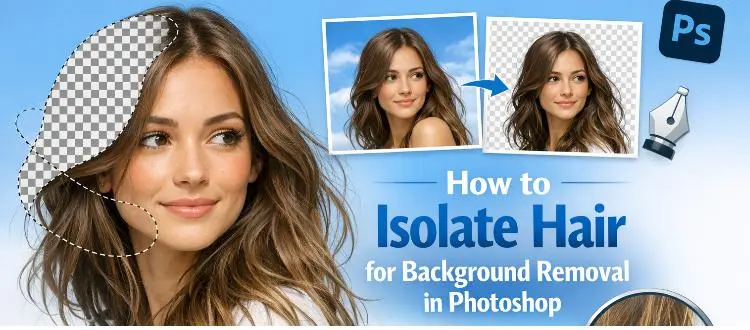
How to Isolate Hair for Background Removal in Photoshop
Are you tired of spending hours trying to perfectly isolate hair from a background in Photoshop, only to end up with messy, unnatural edges? You're not alone.
Clipping Path Associate has empowered businesses globally for over 12 years. A passionate team is dedicated to providing meticulous photo editing services. Expertise is offered in a range of areas, from precise clipping paths to flawless image retouching. The company offers straightforward yet impactful solutions tailored for photographers, e-commerce enterprises, advertising agencies, web design firms, magazine publishers, printing companies, and more.
We Accept : 